2021-03-16
Relaxation
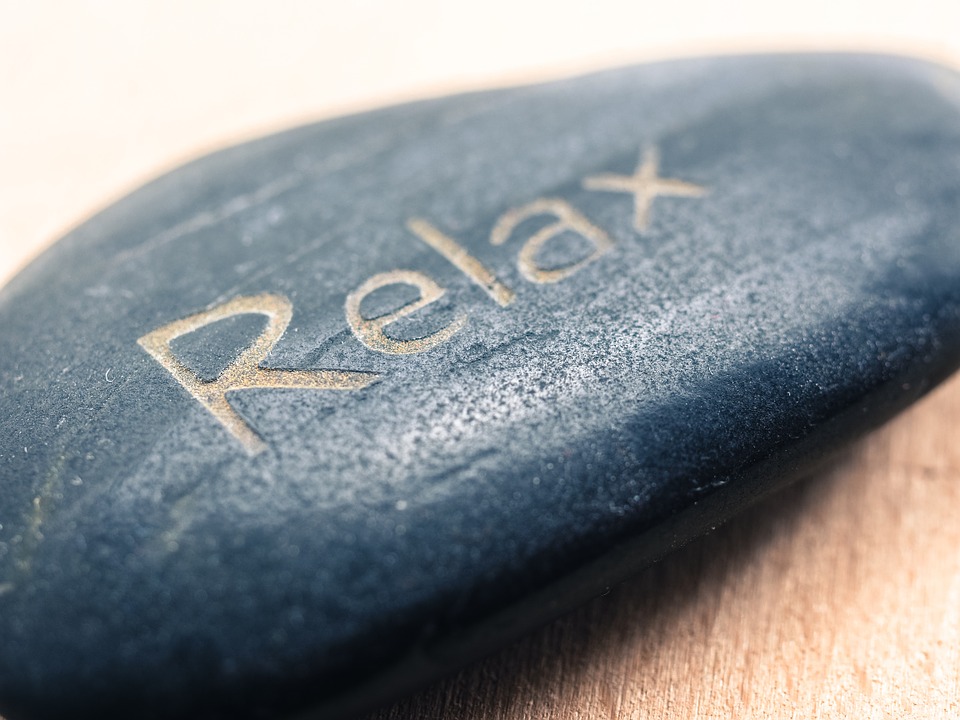
What are the benefits of practicing relaxation for your health?
Relaxation practices such as progressive relaxation, guided imagery, biofeedback, self-hypnosis, and deep breathing exercises can improve your health. The benefits are similar in all: to produce the body’s natural relaxation response, characterized by slower breathing, lower blood pressure, and a feeling of increased well-being.
Meditation practices that include movement, such as yoga and tai chi, can also promote relaxation. You can find information about these practices elsewhere on the NCCIH Web site.
Stress management programs commonly include relaxation techniques. Relaxation techniques have also been studied to see whether they might be of value in managing various health problems.
How much do we know about relaxation techniques?
A substantial amount of research has been done on relaxation techniques for people struggling with blood sugar control. However, for many health conditions, the number or size of the studies has been small, and some studies have been of poor quality.
What do we know about relaxation effectiveness on your health?
Relaxation techniques may be helpful in managing a variety of health conditions, including anxiety associated with illnesses or medical procedures, insomnia, labor pain, chemotherapy-induced nausea, and temporomandibular joint dysfunction. Psychological therapies, which may include relaxation techniques, can help manage chronic headaches and other types of chronic pain in children and adolescents. Research results have been inconsistent, or the evidence is limited.
How safe are they?!?
Relaxation techniques are generally considered safe for healthy people. There have been a few reports of negative experiences such as increased anxiety. People with serious physical or mental health problems should discuss relaxation techniques with their health care providers.