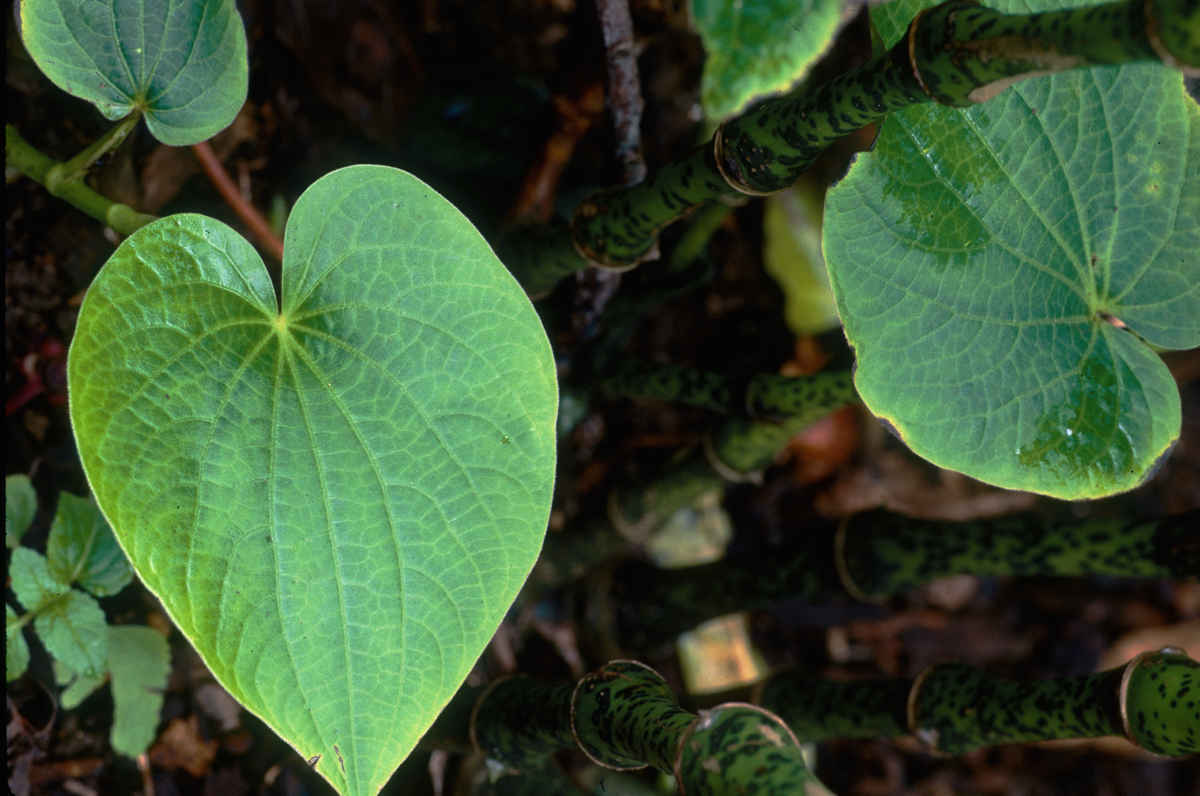
A kava monograph for the home
Latin Name: Piper methysticum
Common Names: kava, kava kava, ava pepper, ava root, kawa
This kava monograph provides basic information about kava—common names, usefulness and safety, and resources for more information.
Source: https://nccih.nih.gov/
BasicsResearchResultsDosingSafetyWildcraftingReferencesPubMed
Kava Basics
- Kava is native to the islands of the South Pacific and is a member of the pepper family.
- Pacific islanders have used kava in ceremonies to bring about a state of relaxation.
- Today, people use kava as a dietary supplement for anxiety.
- The root and underground stem (fresh or dried) are used to prepare drinks; they are also made into extracts, capsules, and tablets.
Kava in Health Research
- There is a fair amount of clinical research on kava.
Kava Research Summary
- Kava supplements may have a small effect on reducing anxiety, but they have been linked to a risk of severe liver disease.
- Differences in dosages used, preparation methods, and study designs have resulted in mixed conclusions about kava’s usefulness.
Kava Safety
- In March 2002, the U.S. Food and Drug Administration warned health care providers and the public about the risk of liver damage associated with kava.
- Combining kava with alcohol may increase the risk of liver damage.
- Long-term use of high doses of kava has been associated with dry, scaly skin or yellowing of the skin.
- Heavy consumption of kava has been associated with heart problems and eye irritation.
Kava References
- Chiappedi M, de Vincenzi S, Bejor M. Nutraceuticals in psychiatric practice. Recent Patents on CNS Drug Discovery. 2012;7(2):163-172.
- Feucht C, Patel DR. Herbal medicines in pediatric neuropsychiatry.Pediatric Clinics of North America. 2011;58(1):33-54.
- Kava. Natural Medicines Database Web site. Accessed at naturalmedicines.therapeuticresearch.com on April 8, 2015. [Database subscription].
- Pittler MH, Ernst E. Kava extract versus placebo for treating anxiety. Cochrane Database of Systematic Reviews. 2003;(1):CD003383 [edited 2010]. Accessed at https://www.thecochranelibrary.com(link is external) on April 30, 2015.
- U.S. Food and Drug Administration. Consumer Advisory: Kava-Containing Dietary Supplements May Be Associated With Severe Liver Injury. U.S. Food and Drug Administration Web site. Accessed at https://www.fda.gov/Food/ResourcesForYou/Consumers/ucm085482.htm on April 30, 2015.