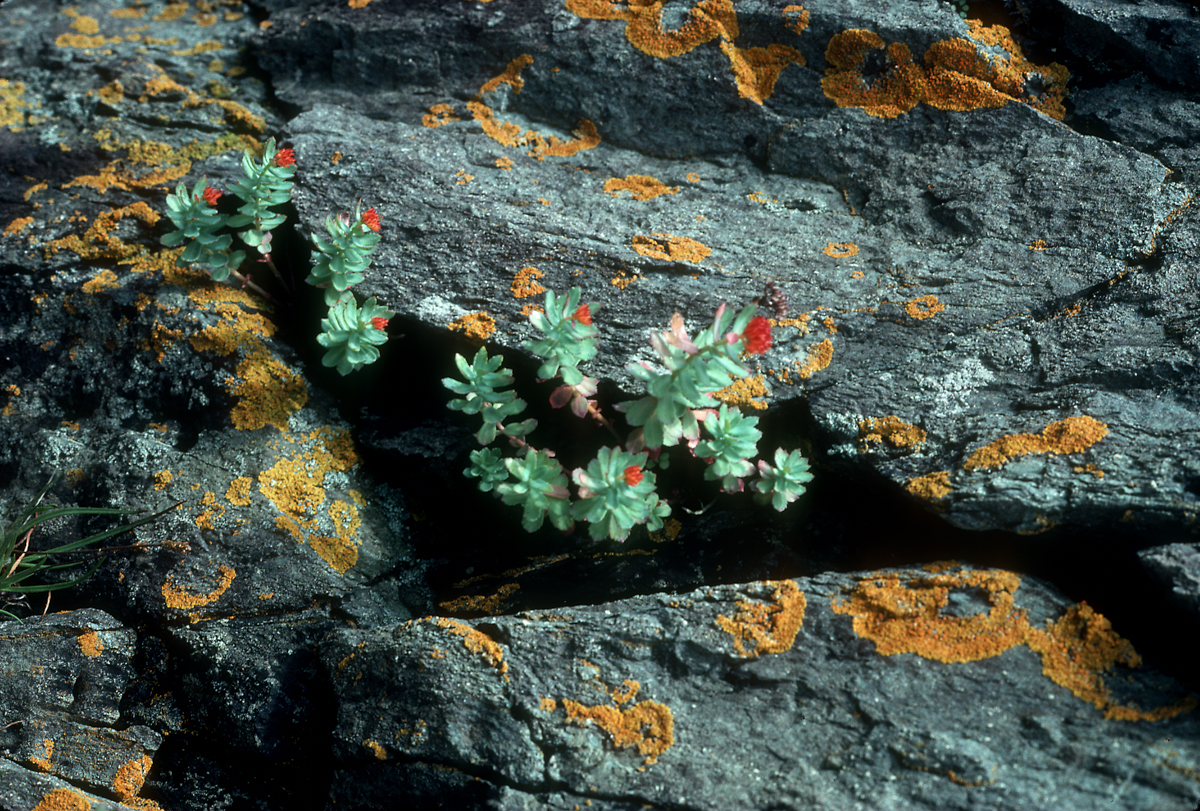
A rhodiola monograph for the home
Latin Name: Rhodiola rosea
Common Names: arctic root, golden root, rose root, king’s crown
This rhodiola monograph provides basic information about rhodiola—common names, usefulness and safety, and resources for more information.
Source: https://nccih.nih.gov/
BasicsResearchResultsDosingSafetyWildcraftingReferencesPubMed
Rhodiola Basics
- Rhodiola grows in cold, mountainous regions of Europe, Asia, and high altitudes in the Arctic.
- Historically, people in northern regions have used rhodiola for anxiety, fatigue, anemia, impotence, infections, headache, and depression related to stress. People also have used it to increase physical endurance, work performance, longevity, and improve resistance to high-altitude sickness.
- Today, people use rhodiola as a dietary supplement to increase energy, stamina, and strength, to improve attention and memory, and to enhance the ability to cope with stress.
- Rhodiola root extracts are also available in capsule or tablet form.
Rhodiola in Health Research
- There have been some studies of rhodiola in people; however, the quality of research is limited so firm conclusions about its effectiveness can’t be made.
Rhodiola Research Summary
- Two review articles—published in 2011 and 2012—looked at 15 studies that tested rhodiola on physical and mental performance in 575 people. Both reviews found evidence that rhodiola may enhance physical performance and ease mental fatigue, but emphasized that the limited quantity and quality of available evidence did not allow firm conclusions to be made.
- A small, NCCIH-supported study tested rhodiola against the drug sertraline and a placebo in people with mild-to-moderate major depressive disorder. The 2015 study results showed all were similarly effective in reducing depressive symptoms, but people who took rhodiola had fewer side effects than those who took sertraline. However rhodiola’s effectiveness and safety for depression need testing in larger, more powerful studies.
Rhodiola Safety
- When taken orally (by mouth), rhodiola may cause dizziness and dry mouth.
Rhodiola References
- Bystritsky A, Kerwin L, Feusner JD. A pilot study of Rhodiola rosea (Rhodax) for generalized anxiety disorder (GAD). Journal of Alternative and Complementary Medicine. 2008;14(2):175-180.
- Hung SK, Perry R, Ernst E. The effectiveness and efficacy of Rhodiola rosea L.: a systematic review of randomized clinical trials. *Phytomedicine.*2011;18(4):235-244.
- Ishaque S, Shamseer L, Bukutu C, et al. Rhodiola rosea for physical and mental fatigue: a systematic review.*BMC Complementary and Alternative Medicine.*2012;12:70.
- Mao JJ, Xie SX, Zee J, et al. Rhodia rosea versus sertraline for major depressive disorder: a randomized placebo-controlled trial. *Phytomedicine.*2015;22(3):394-399.
- Olsson EM, von Schéele B, Panossian AG. A randomised, double-blind, placebo-controlled, parallel-group study of the standardised extract SHR-5 of the roots of Rhodiola rosea in the treatment of subjects with stress-related fatigue.Planta Medica. 2009;75(2):105-112.
- Rhodiola. Natural Medicines Web site. Accessed at naturalmedicines.therapeuticresearch.com/ on March 31, 2015. [Database subscription].